
描述
Technical indicators
| Project | Indicator |
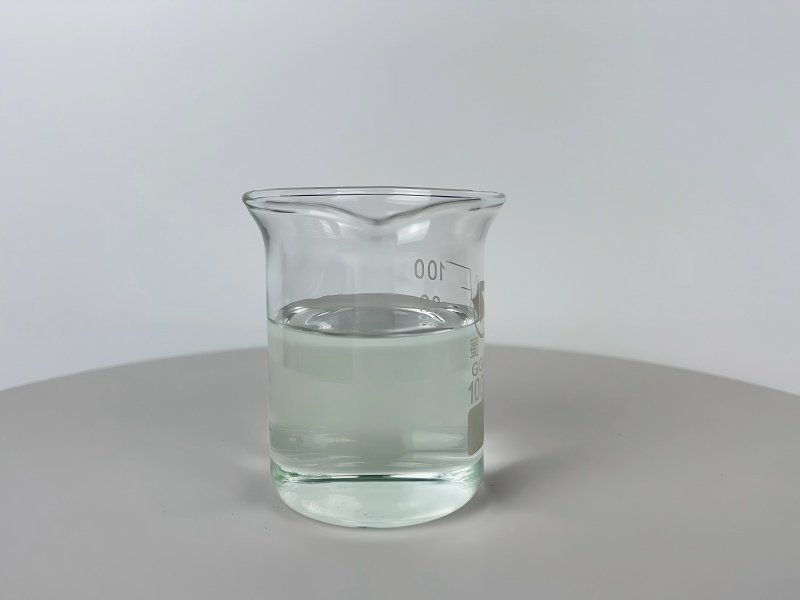
| Appearance | Colorless to pale green transparent liquid |
| Dangerousness | Mildly irritating |
| pH value | 3.0–6.0 |
| Density (20℃), g/cm³ | 1.02 ± 0.02 |
Instructions for use
To achieve maximum disinfection effectiveness, the disinfectant should be added before the security filter and used once a week, with a treatment duration of… 30-45 Minutes, can be continuously added online. 4-8 ppm, Intermittent online dosing 100–400 ppm, The specific dosage of chemicals needed still needs to be determined based on water quality conditions and seasonal changes.
Stop RO During system operation, a disinfectant solution is prepared by chemical cleaning, and the solution is circulated throughout the system for treatment. If the system is severely contaminated, it should first undergo chemical cleaning before proceeding with disinfection. Our company’s technical service personnel will determine the appropriate dosing points and dosing amounts based on your company’s specific system conditions.
Packaging, Storage, Transportation, and Precautions
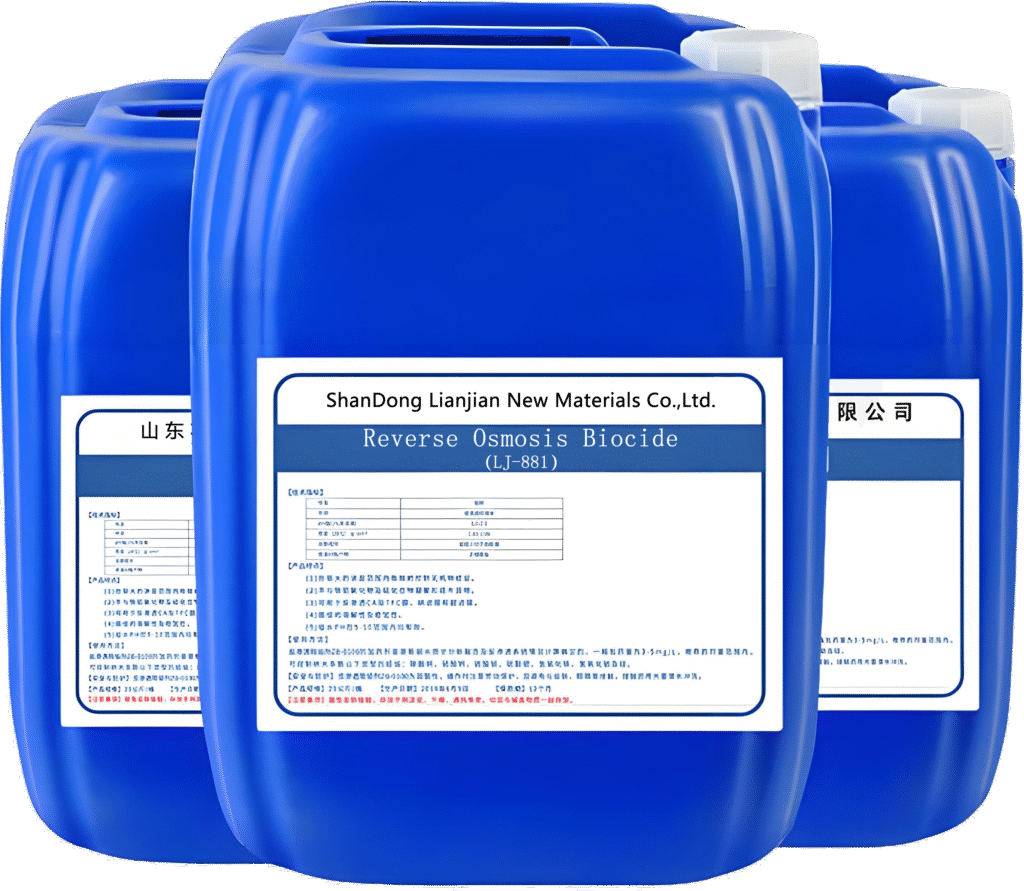
Packaged in plastic buckets, 25kg/ Barrel, 200kg/ The container shall be determined according to user needs; store in a cool, dry place with a shelf life of twelve months. During operation, pay attention to occupational safety measures and avoid contact with skin, eyes, and other sensitive areas. If contact occurs, rinse thoroughly with plenty of water.
| Microbial species | Colony count (cfu/ml) |
Minimum dosage (ppm) |
Microbial species | Colony count (cfu/ml) |
Minimum dosage (ppm) |
| Ammonia-producing Bacillus | 6500 | 2 | Salmonella | 1000 | 9 |
| Microbacterium coloratum | 4000 | 2 | Proteus vulgaris | 8500 | 5 |
| Alkaliphilic fecal bacterium | 8500 | 2 | Pseudomonas aeruginosa | 15000 | 5 |
| Enterobacter aerogenes | 3500 | 5 | Aspergillus niger | 9500 | 9 |
| Escherichia coli | 11000 | 5 | Aspergillus oryzae | 10000 | 5 |